

Make Your Space Feel Safe, Familiar and Accessible to Everyone
Helping Everyone Feel Confident Before They Arrive
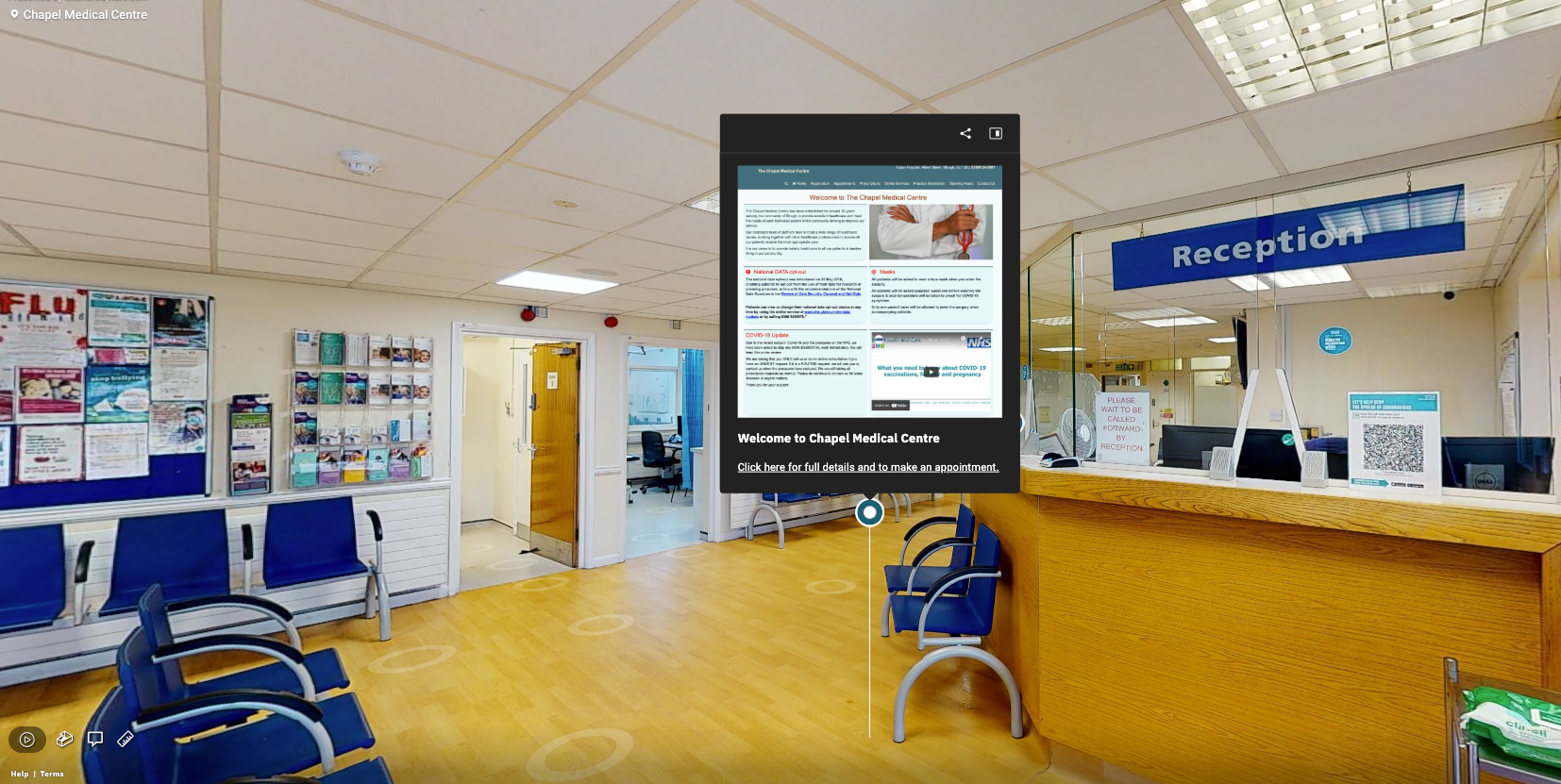
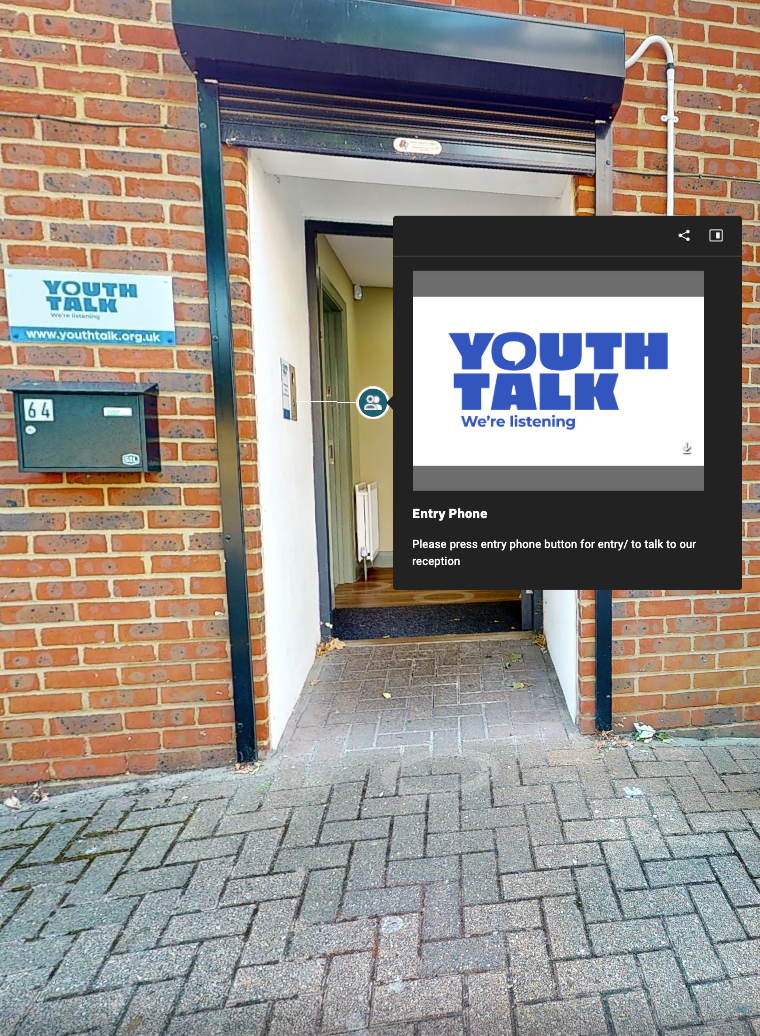
Our Virtual Tours help people with anxiety, neurodivergence, mobility challenges and additional needs explore your venue virtually - building confidence long before they step through the door.
When people know what to expect at a venue they are visiting, they feel more confident and comfortable. Virtual Tours provide a clear, friendly introduction to your venue, helping every visitor prepare at their own pace.
Some people feel excited visiting a new place. For others — especially those who are neurodivergent, experience anxiety, or have learning differences or mobility challenges — the unknown can be overwhelming.
A 3D Virtual Tour can help change that.
Our interactive 3D virtual tours give people a calm, private and pressure-free way to explore your venue before they visit.
It’s a simple idea that makes a huge difference: more confidence, fewer worries, and a much more inclusive welcome for every visitor.
- Reduce Anxiety Around New Environments
Stepping into an unfamiliar space can be stressful. Virtual Tours help visitors familiarise themselves with the layout, entrances, toilets, seating areas and key facilities in advance - turning uncertainty into reassurance.
- Support Neurodivergent Visitors
For many neurodivergent people, predictability is a key part of feeling safe. A tour allows them to walk through a venue at their own pace, explore different areas and understand what to expect before the day itself.
- Help People With Mobility Needs Plan Ahead
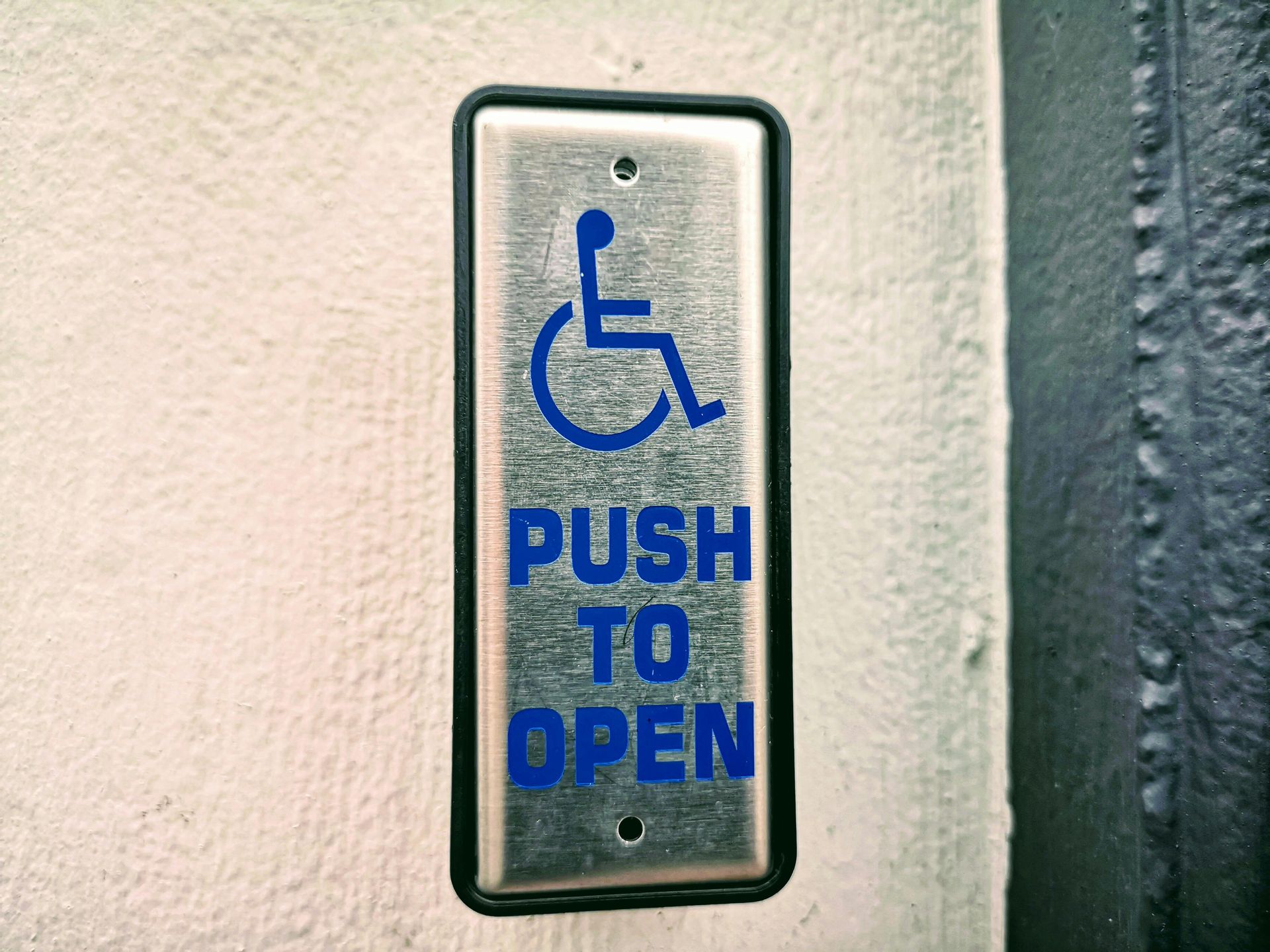
Visitors using wheelchairs, walking aids or mobility support can check access routes, doorways, gradients and facilities in advance. This removes guesswork and supports a smoother, more confident visit.
- Prepare Children & Young People for Transitions
Whether it’s arriving at a club, theatre project, activity space or school environment, a virtual walkthrough helps reduce the emotional load of 'first time nerves' and gives families and support workers a practical tool to talk through the visit together.
- Empower Families, Carers & Support Staff
Carers can use the tour to plan routes, identify key spaces, risk-assess areas and prepare the person they support - making the experience more relaxed for everyone involved.
Perfect for a Wide Range of Settings
Virtual Tours work brilliantly for familiarisation and orientation around:
- Theatres, arts centres and rehearsal spaces
- Schools, colleges and SEND settings
- Community centres and youth projects
- Healthcare environments and appointment spaces
- Counselling suites
- Visitor attractions and museums
- Charities, social enterprises and inclusive organisations
- Wherever people arrive for the first time, these tours make the experience easier.
Virtual Tour Examples
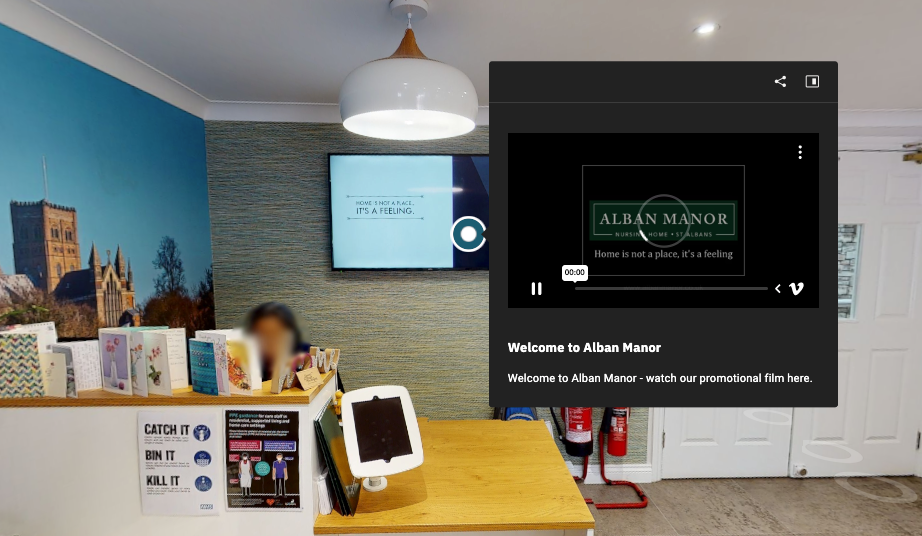
Explore some examples of our interactive virtual tours to see how our immersive technology helps make your space fully accessible.
What Do People Say?
Don’t just take our word for it — hear from organisations who are using virtual tours to help make their spaces more user friendly and to support accessibility.

David - CEO

Della - Home Manager
The Power of Virtual Tours
Source: ResearchGate 2025 & EdTech Impact 2019
Let’s Make Your Space More Accessible
If you’d like to explore how a virtual tour could support your visitors, we’d love to help. Book a chat to see examples and talk through how this could work for your venue.